
Debt. Income. Clarity.
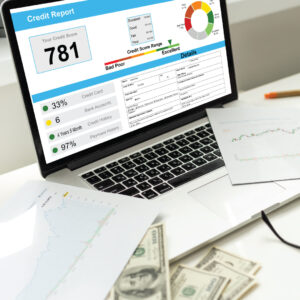
Understanding Your Full Credit Picture
Your credit score is important—but it’s only part of the story.
To truly understand your financial health, you need to look at how your income and debt work together. That’s where your debt-to-income ratio (DTI) comes in.
What Is Debt-to-Income (DTI)?
DTI is the percentage of your monthly income that goes toward paying debt, including:
- Car loans
- Credit cards
- Student loans
- Mortgage or rent
In simple terms: it shows how much of your income is already committed—and how much flexibility you have left.
Why It Matters
Your DTI can impact:
- Loan approvals
- The offers you qualify for
- Your monthly budget and financial stress
Lower DTI means more financial flexibility.
See It All at a Glance
Understanding your DTI doesn’t have to be complicated.
View a simple breakdown here!
What Is a “Good” DTI?
- Below 36%: Healthy
- 37%–43%: Manageable
- Above 43%: May need improvement
Knowing where you stand helps you plan your next steps.
How to Improve Your DTI
- Pay down high-interest debt
- Avoid taking on new debt
- Look for ways to increase income
- Consider refinancing to lower payments
Small changes can make a big difference over time. View this free budgeting sheet.
Get the Full Picture with LPCCU
With Credit Sense, you can:
- View your full credit report
- Monitor changes in real time
- Explore personalized insights
- Track your DTI in one place
Because when you understand your full picture, you can make more confident financial decisions.
Click here to download our free budgeting worksheet and take the next step toward understanding and improving your financial picture.
Take the Next Step
Your financial journey starts with clarity.
Log in to Home Banking and access Credit Sense today.

 Equal Housing Lender - We do business in accordance with the Federal Fair Housing Law and the Equal Housing Opportunity Act.

